What Residential Spaces Are Common in Skilled Nursing Facilities?
This research brief asks a bounded question: What Residential Spaces Are Common in Skilled Nursing Facilities? We separate public evidence and definitions from product claims, then translate the useful part into a decision a reader can verify.
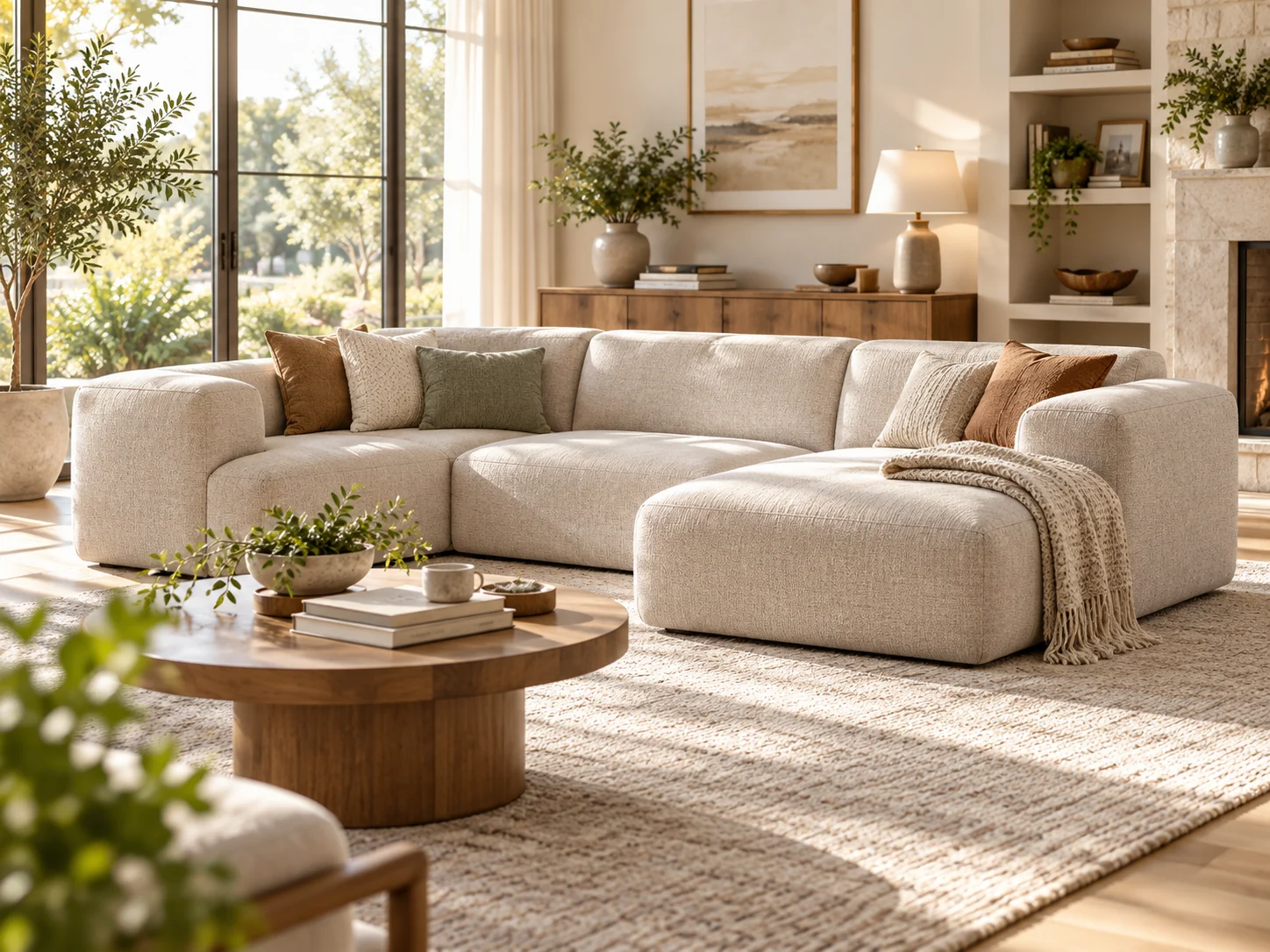
Our editorial instinct on What Residential Spaces Are Common in Skilled Nursing Facilities? is to start with the boring details first. In real projects, the expensive surprises usually live in a doorway, a freight quote, a return rule or a missing dimension—not in the mood board.
You can define the use case and measure the space before shopping.
Projects drift when appearance is chosen before access, operations and replacement planning are settled.
Fit For The Space, day-to-day usability, dimensions in writing and responsibility after delivery.
Start by separating housing type from furniture assumptions
The National Institute on Aging describes assisted living, nursing homes, continuing-care communities and other residential settings as different models that can provide different combinations of housing, personal care, meals, activities and medical services. That matters for furniture: a label such as “senior living” does not tell you enough about staffing, resident mobility, room turnover or clinical requirements.
For a buyer, the practical step is to ask what people actually do in the room, who maintains it, how often furniture moves, and what facility policies apply. The use pattern is more useful than the marketing label.
Three signals we are watching
- More emphasis on flexibility. Operators and households increasingly have to accommodate changing occupants, layouts and delivery constraints. That keeps modularity and package size in the conversation.
- Residential look, operational discipline. The design goal may be warmer and less institutional, while the buying process becomes more rigorous about fit for the space, service and replacement.
- Procurement content is becoming part of sales. Buyers expect dimensions, policies and practical guidance before they contact a vendor. Brands that hide these details create friction.
For what residential spaces are common in skilled nursing facilities, we treat a trend as a planning signal—not a prediction. It becomes useful only when it appears in real RFQs, delivery records, replacement logs or reader questions.
Research takeaway
For what residential spaces are common in skilled nursing facilities?, our recommendation is to make the decision auditable. Keep the measurements, quote, photos and assumptions together. If another person can understand why the product was chosen six months later, the process is probably strong.
Sources & verification notes
We use public sources for definitions, demographics and rules. Product fit still needs project-specific verification.
- National Institute on Aging — Assisted living and nursing homesFederal overview of assisted living, nursing homes and other residential long-term-care settings.
- Administration for Community Living — Profile of Older AmericansAnnual U.S. demographic reference covering the 65+ population, living arrangements, income and health.