Recovery Stay Apartment Essentials: Furniture, Storage and Daily-Use Basics
There is an easy way to get recovery stay apartment essentials: furniture, storage and daily-use basics wrong: start shopping before defining the problem. We take the opposite approach—measure the constraints, write down the use case, then let products compete against the same checklist.
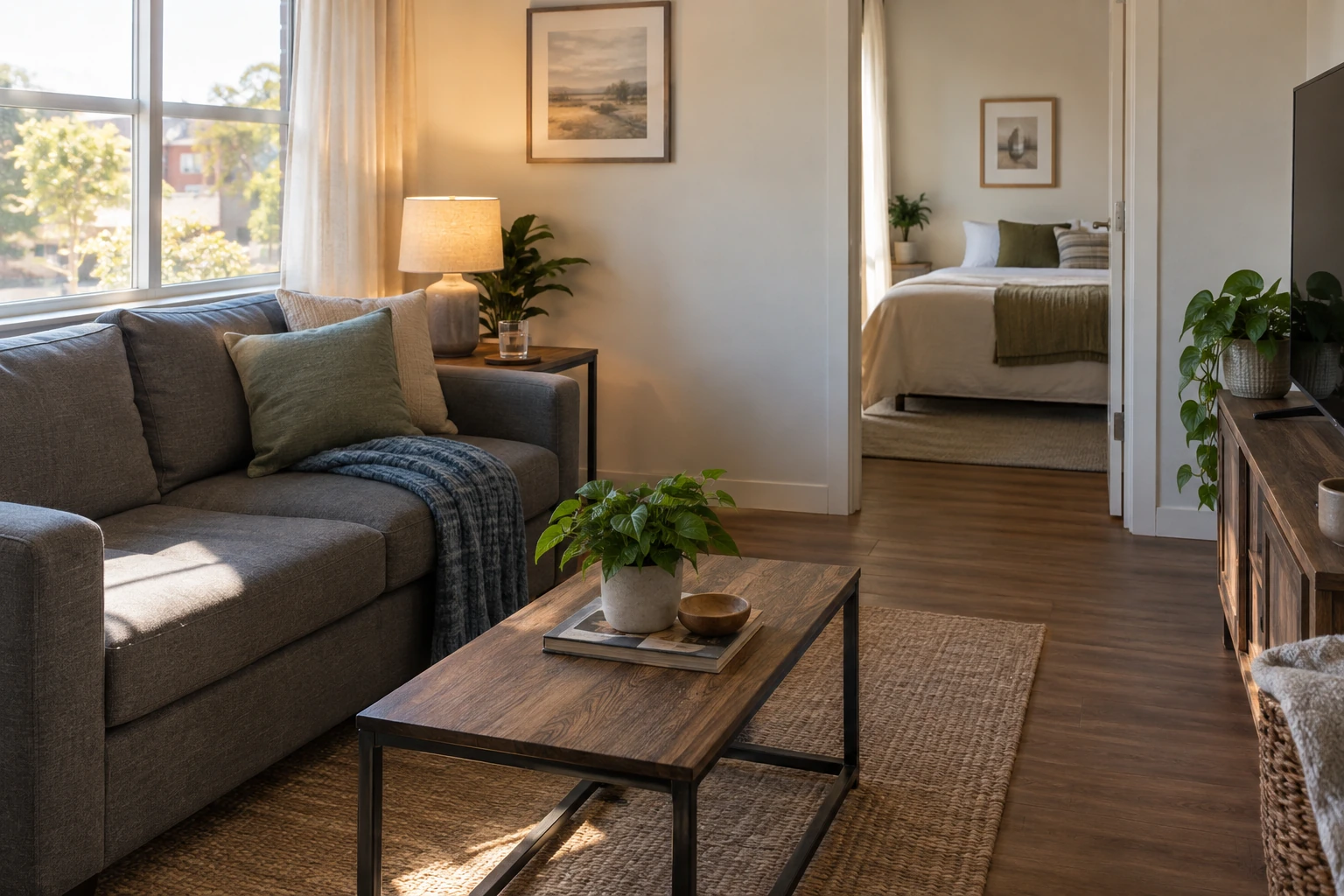
If recovery stay apartment essentials: furniture, storage and daily-use basics were on our own shortlist, we would start with the room, routine and delivery constraints—not brand names—and make every candidate clear those gates.
The goal is to simplify a temporary living setup without turning the home into a pseudo-clinic.
Furniture changes should never substitute for individualized instructions from the care team.
Clear Pathways, daily-use reach, trip hazards and the actual restrictions given by qualified clinicians.
A temporary apartment has plenty of storage, but most of it is far from the places used every day. The family creates a small daily-use zone near the main seat and keeps bulk supplies elsewhere. The space feels less cluttered without needing another cabinet.
Keep the space residential, practical and temporary
Before acting on recovery stay apartment essentials: furniture, storage and daily-use basics, walk the real route from curb to room and record the tightest opening, turn, elevator and staging point in the delivery-route field sheet.
What we would photograph
- The tightest doorway and the hinge/handle position.
- Any turn where a long carton or sofa frame has to pivot.
- Outlets, vents, controls and doors that furniture could block.
- The intended seat location from standing and seated eye level.
- The route that must remain clear for normal movement.
For recovery stay apartment essentials: furniture, storage and daily-use basics, a small, privacy-safe photo set makes later vendor conversations concrete and keeps the team discussing the actual route, room and routine rather than relying on memory.
Keep the living space practical without pretending it is a clinic
For recovery stay apartment essentials: furniture, storage and daily-use basics, the space should solve ordinary living problems: clear movement, reachable essentials, manageable cleaning and room for a helper. Clinical restrictions must come from the person’s qualified care team, not a furniture article.
What happens next
Before expanding the shortlist for recovery stay apartment essentials: furniture, storage and daily-use basics, verify the single highest-risk unknown. One measured or documented answer is more valuable than ten extra product tabs.
Sources & verification notes
We use public sources for definitions, demographics and rules. Product fit still needs project-specific verification.
- Administration for Community Living — Profile of Older AmericansAnnual U.S. demographic reference covering the 65+ population, living arrangements, income and health.
- 2010 ADA Standards for Accessible DesignAccessibility standards covering accessible routes, door clear width, maneuvering clearance and related building requirements where the ADA applies.