How an Aging Population Changes the Conversation Around Housing Flexibility
There is an easy way to get how an aging population changes the conversation around housing flexibility wrong: start shopping before defining the problem. We take the opposite approach—measure the constraints, write down the use case, then let products compete against the same checklist.
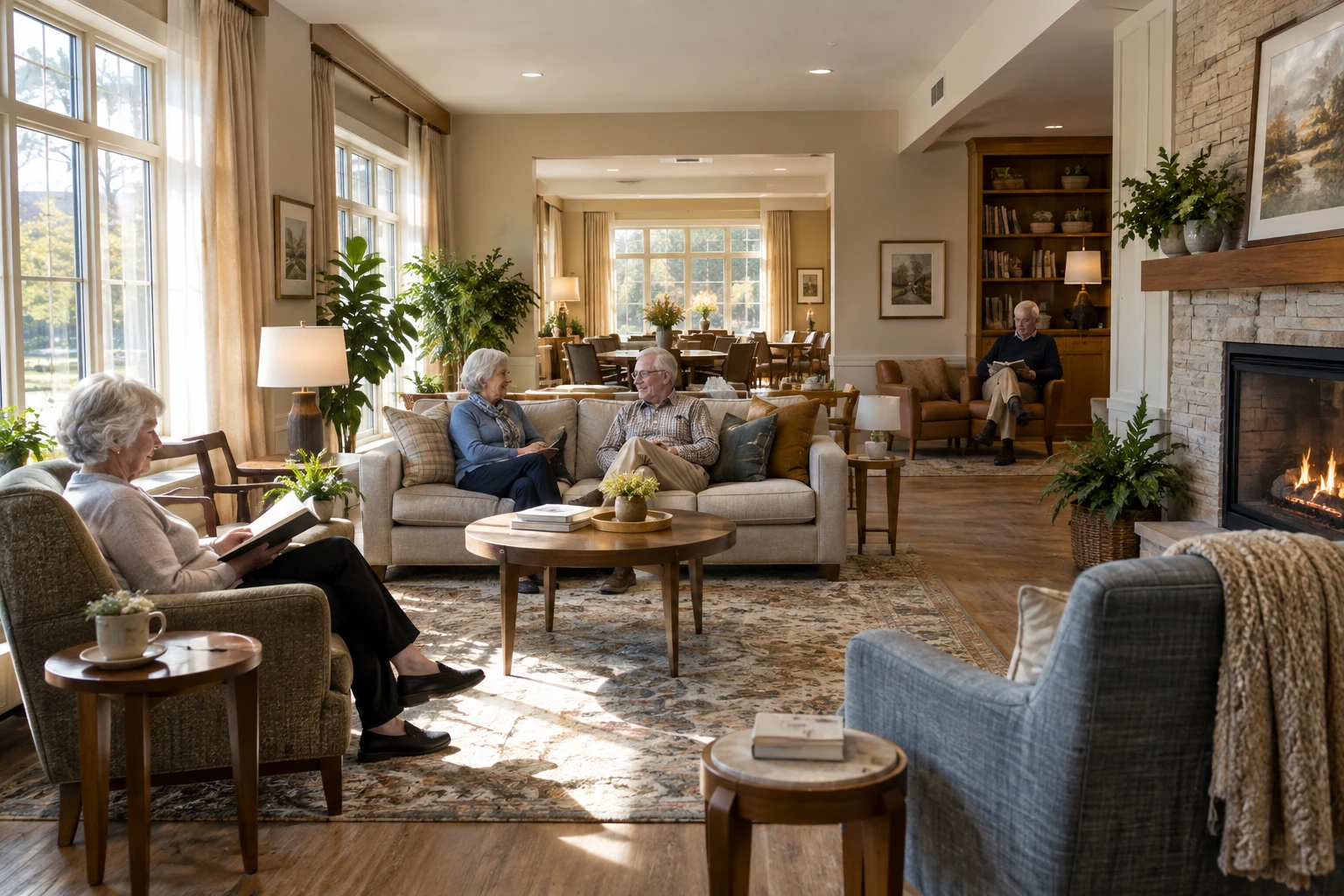
If how an aging population changes the conversation around housing flexibility were on our own shortlist, we would start with the room, routine and delivery constraints—not brand names—and make every candidate clear those gates.
You can define the use case and measure the space before shopping.
Projects drift when appearance is chosen before access, operations and replacement planning are settled.
Fit For The Space, day-to-day usability, dimensions in writing and responsibility after delivery.
What the demographic data changes — and what it does not
The demographic backdrop for how an aging population changes the conversation around housing flexibility is a larger and more varied older U.S. population. We use Census projections as context, then separate that context from unsupported claims about any one housing model or product.
It is not proof that every senior-housing project will grow, that one furniture category will win, or that older adults want institutional-looking environments. Demographic growth creates a bigger and more varied audience. Procurement still has to solve local affordability, staffing, building type, resident preferences and regional competition.
Three signals we are watching
- More emphasis on flexibility. Operators and households increasingly have to accommodate changing occupants, layouts and delivery constraints. That keeps modularity and package size in the conversation.
- Residential look, operational discipline. The design goal may be warmer and less institutional, while the buying process becomes more rigorous about fit for the space, service and replacement.
- Procurement content is becoming part of sales. Buyers expect dimensions, policies and practical guidance before they contact a vendor. Brands that hide these details create friction.
For how an aging population changes the conversation around housing flexibility, we treat a trend as a planning signal—not a prediction. It becomes useful only when it appears in real RFQs, delivery records, replacement logs or reader questions.
What the evidence changes
Before expanding the shortlist for how an aging population changes the conversation around housing flexibility, verify the single highest-risk unknown. One measured or documented answer is more valuable than ten extra product tabs.
Sources & verification notes
We use public sources for definitions, demographics and rules. Product fit still needs project-specific verification.
- U.S. Census Bureau — 2023 National Population ProjectionsMore recent national projections describing an aging U.S. population and the long-term shift in age structure.
- U.S. Census Bureau — Demographic Turning PointsPopulation projections showing the continued growth and changing share of adults age 65 and older in the United States.
- Senior Housing News — September 2026 development and operating coverageRecent industry reporting on muted construction starts, targeted development and repositioning activity as operators plan for future demand.