Centralized vs. Phased Furniture Purchasing: Which Approach Fits Your Project?
There is an easy way to get centralized vs. phased furniture purchasing: which approach fits your project? wrong: start shopping before defining the problem. We take the opposite approach—measure the constraints, write down the use case, then let products compete against the same checklist.
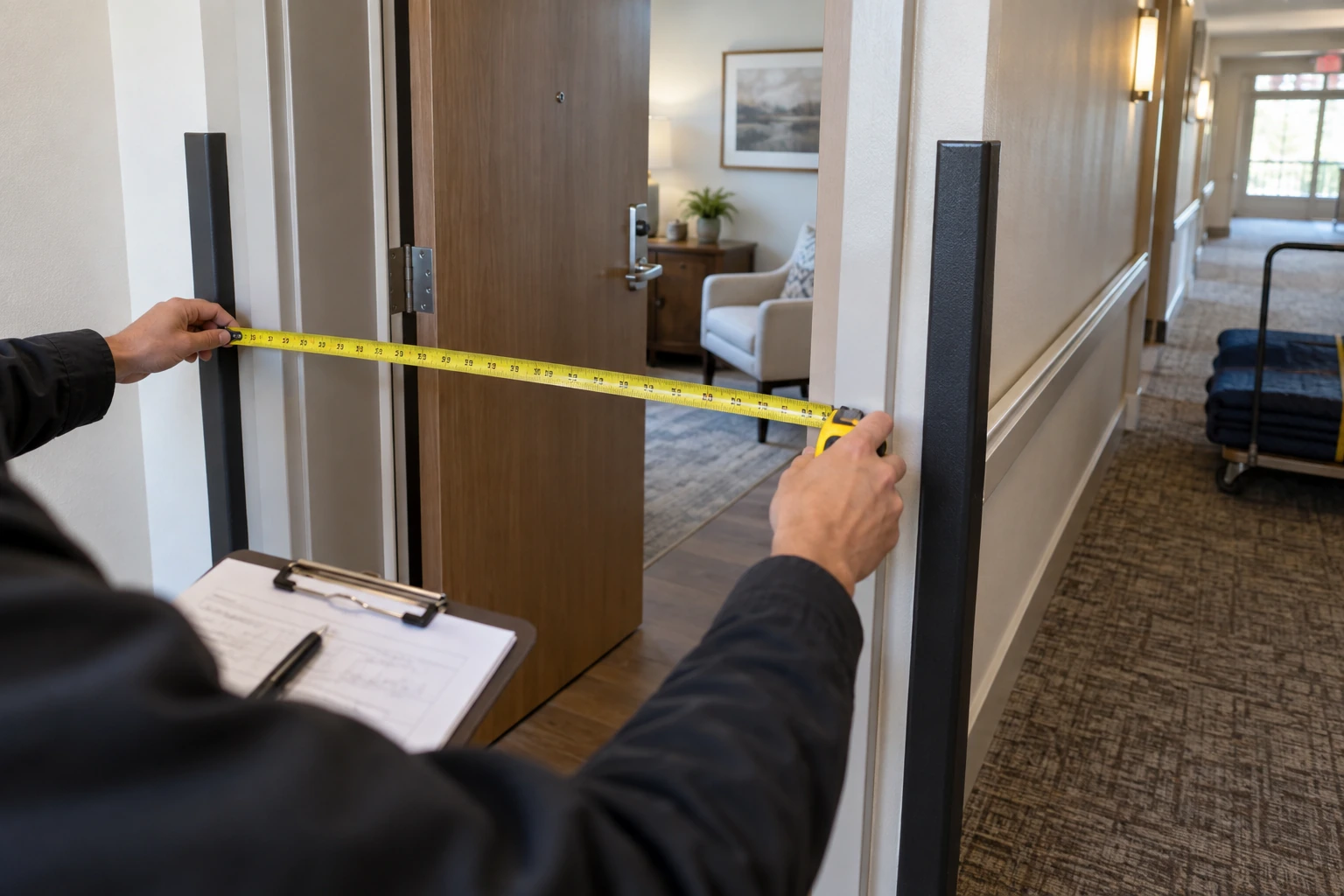
The most useful question we can ask about Centralized vs. Phased Furniture Purchasing: Which Approach Fits Your Project? is not 'what looks best?' It is 'what could make this decision fail after the order is placed?' That changes the conversation from browsing to planning.
You can define the use case and measure the space before shopping.
Projects drift when appearance is chosen before access, operations and replacement planning are settled.
Fit For The Space, day-to-day usability, dimensions in writing and responsibility after delivery.
| Decision point | Option / approach A | Option / approach B |
|---|---|---|
| Fit For The Space | Option A can work when the constraint is predictable and easy to measure. | Option B may be better when the project needs more flexibility or service support. |
| Day-To-Day Usability | Compare who receives, moves, assembles and replaces the item. | Do not treat the sticker price as the whole operating cost. |
| Change over time | Ask whether the choice can adapt to a new resident, room layout or use. | A lower-flexibility choice can still be right when turnover is low and the use is stable. |
A project can buy all furniture now or phase it across two quarters. Central purchasing may improve pricing and consistency; phasing may protect cash flow and let the team learn from the first installation. The decision becomes a risk-and-operations choice, not a slogan about volume discounts.
Conditions that would change this recommendation
Our conclusion on centralized vs. phased furniture purchasing: which approach fits your project is conditional. Reopen it when the actual room measurements, delivery route, facility rules, warranty language or a pilot unit gives you better evidence.
Sources & verification notes
We use public sources for definitions, demographics and rules. Product fit still needs project-specific verification.
- Administration for Community Living — Profile of Older AmericansAnnual U.S. demographic reference covering the 65+ population, living arrangements, income and health.
- 2010 ADA Standards for Accessible DesignAccessibility standards covering accessible routes, door clear width, maneuvering clearance and related building requirements where the ADA applies.