A Practical Furniture Checklist for Short-Term Recovery Rentals
This workshop turns a practical furniture checklist for short-term recovery rentals into an ordered task list. Use it on the real room and route, write down exceptions, and keep the completed sheet with the project record.
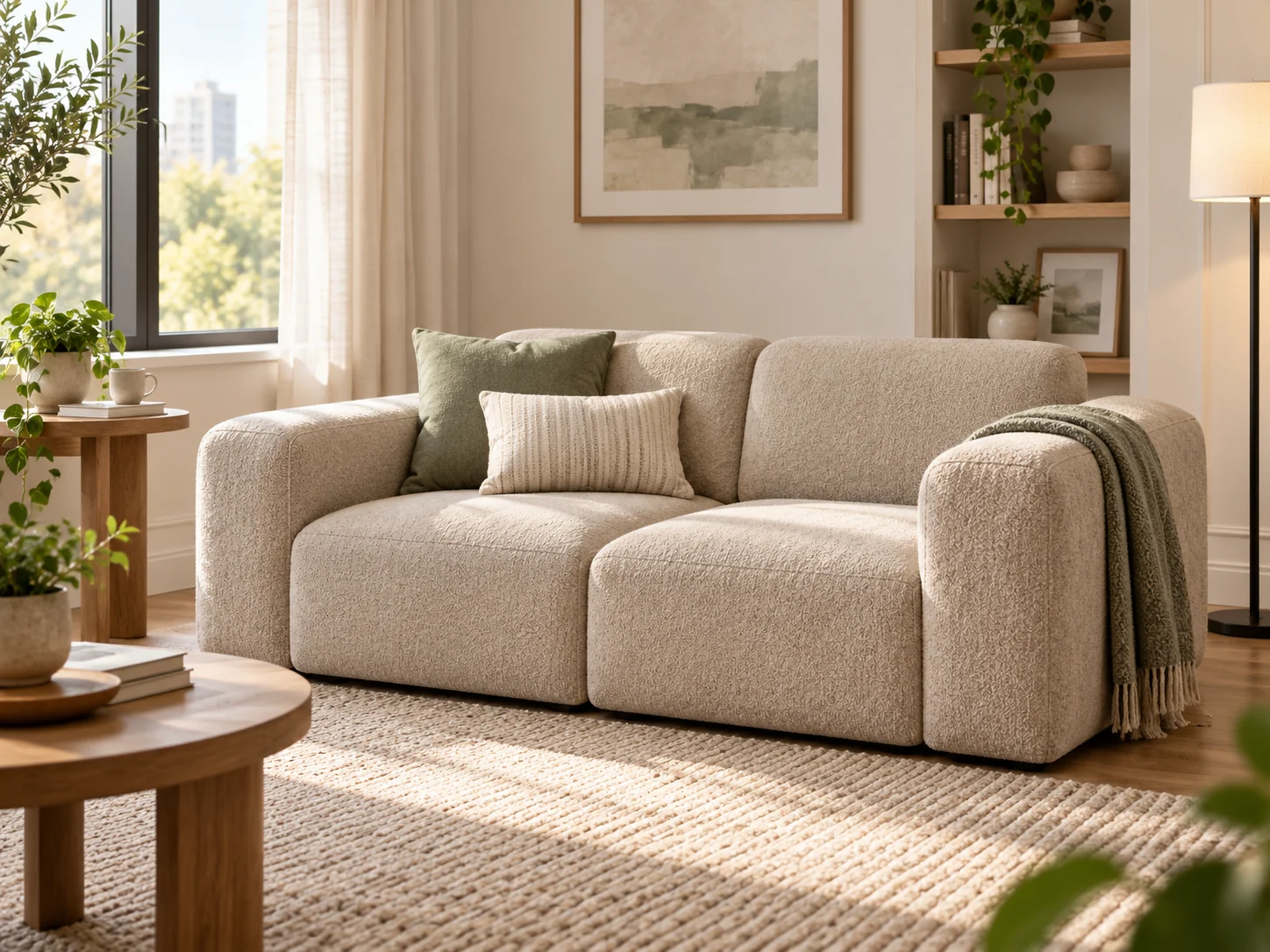
Our editorial instinct on A Practical Furniture Checklist for Short-Term Recovery Rentals is to start with the boring details first. In real projects, the expensive surprises usually live in a doorway, a freight quote, a return rule or a missing dimension—not in the mood board.
The goal is to simplify a temporary living setup without turning the home into a pseudo-clinic.
Furniture changes should never substitute for individualized instructions from the care team.
Clear Pathways, daily-use reach, trip hazards and the actual restrictions given by qualified clinicians.
- Remove loose clutter and preserve the walking route before buying anything new.
- Place daily-use items where they can be reached without unnecessary trips.
- Keep the furniture plan reversible because the temporary routine may change quickly.
- Confirm any mobility or positioning restrictions with the treating clinical team, not a furniture website.
- Plan a comfortable place for the person helping, without blocking the main circulation path.
- Avoid buying 'medical-looking' products just because the stay is temporary; solve the actual functional problem.
A short-term rental operator wants a reusable furnishing checklist. The first version lists products. The better version lists functions: seating, reachable surface, lighting, storage, dining, sleep, clear route and visitor support. Products can change; functions stay stable.
Keep the living space practical without pretending it is a clinic
For a practical furniture checklist for short-term recovery rentals, the space should solve ordinary living problems: clear movement, reachable essentials, manageable cleaning and room for a helper. Clinical restrictions must come from the person’s qualified care team, not a furniture article.
Checklist closeout
For a practical furniture checklist for short-term recovery rentals, our recommendation is to make the decision auditable. Keep the measurements, quote, photos and assumptions together. If another person can understand why the product was chosen six months later, the process is probably strong.
Sources & verification notes
We use public sources for definitions, demographics and rules. Product fit still needs project-specific verification.
- Administration for Community Living — Profile of Older AmericansAnnual U.S. demographic reference covering the 65+ population, living arrangements, income and health.
- 2010 ADA Standards for Accessible DesignAccessibility standards covering accessible routes, door clear width, maneuvering clearance and related building requirements where the ADA applies.